The Lawn as a Love Language: What Dad's Yard Is Telling You
Some dads say "I love you." Most dads mow diagonal stripes into the front yard and wait for someone to notice.
By the Gay-I Research Desk · · 4 min read
The Gay-I Verdict
Gay-I Reading: 44%Lawn care cannot tell you if your dad is gay. For most dads, the lawn is simply how they express feelings without having to say any of them out loud. The Gay-I only pays closer attention when the lawn is replaced by a pollinator garden and he starts naming the bees.
Most dads do not say how they feel. Instead, they go outside on Saturday morning at 7:40 and mow. The lawn is where the feelings go. A well-kept lawn means things are fine. Stripes mean things are better than fine. A lawn that is maintained a little too lovingly means there is something going on, and the Gay-I would like to understand it.
Our researchers spent a weekend walking slowly past houses in three suburbs. Nobody asked us to leave, although one dad did ask if we were "with the HOA."
Mowing Stripes and What They Mean
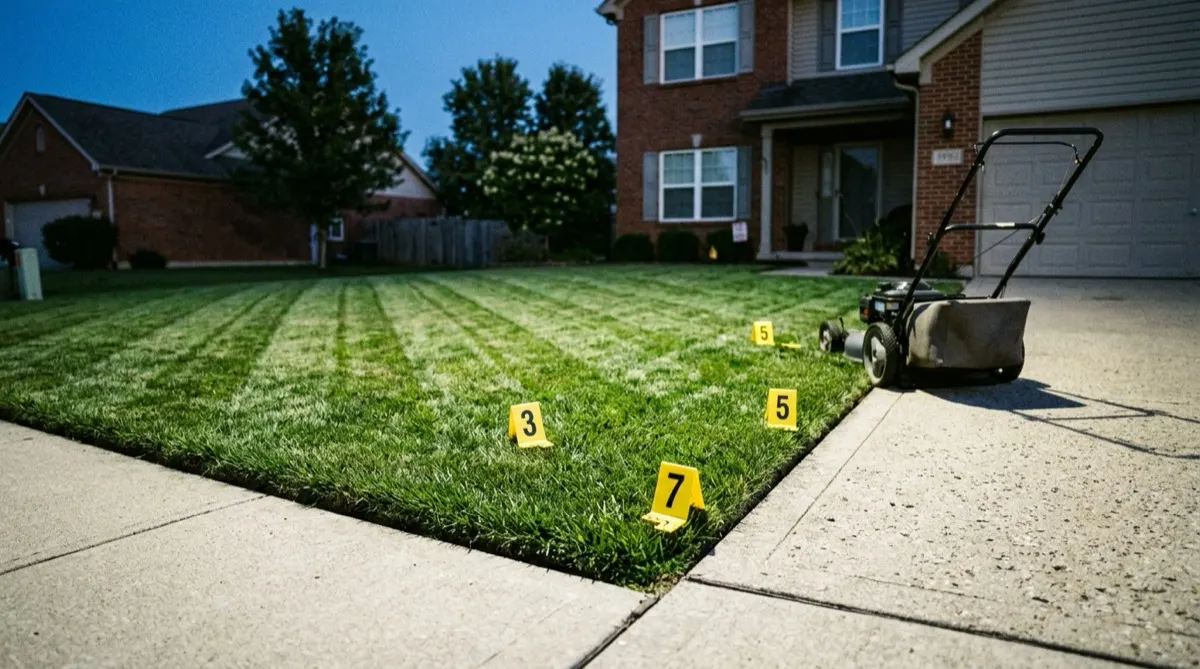
Stripes happen when the mower bends the grass in alternating directions. Light hits the bent grass differently, and the lawn looks like a baseball field. A dad who mows stripes has watched at least one video about mowing stripes. He has opinions about roller attachments.
Our data suggests that the direction of the stripes matters less than how often he looks at them. A dad who mows stripes and goes inside is a hobbyist. A dad who mows stripes and then stands at the end of the driveway with a glass of iced tea, just looking, is in a relationship with the lawn.
- Straight stripes: Standard. He is proud of his work, as he should be.
- Diagonal stripes: He has seen what the neighbors are doing and decided to do more.
- Checkerboard pattern: He mowed the whole lawn twice. On purpose. Before noon.
- Curved stripes that follow the flower beds: The Gay-I paused here and asked to see the flower beds.
Edging, Trimming, and the Crisp Line
Edging is the thin, clean gap between the lawn and the sidewalk. It is not required. Nobody has ever been fined for a soft edge. And yet a certain kind of dad owns a separate machine for this one job and uses it every week.
We consider edging a neutral activity. Lots of dads want the line to be crisp. The reading only moves if he has started using the word "clean" in a tone that sounds more like a compliment than a description. "Look how clean that line is." He is not asking you a question.
The Way He Looks at the Neighbor's Lawn
Every dad has a neighbor whose lawn he watches. Usually it is a rivalry. If the neighbor's lawn is greener, Dad will go to the hardware store that afternoon. If the neighbor's lawn has brown spots, Dad will mention the brown spots at dinner, kindly, but more than once.
Our researchers noted a second, rarer type of look. This dad does not want to beat the neighbor's lawn. He admires it. He walks over to ask what kind of fertilizer the neighbor uses, and the conversation lasts an hour and a half. They now share a spreader. The Gay-I logged this as "community" and asked us not to make it weird, so we will not.
Switching From a Lawn to a Pollinator Garden
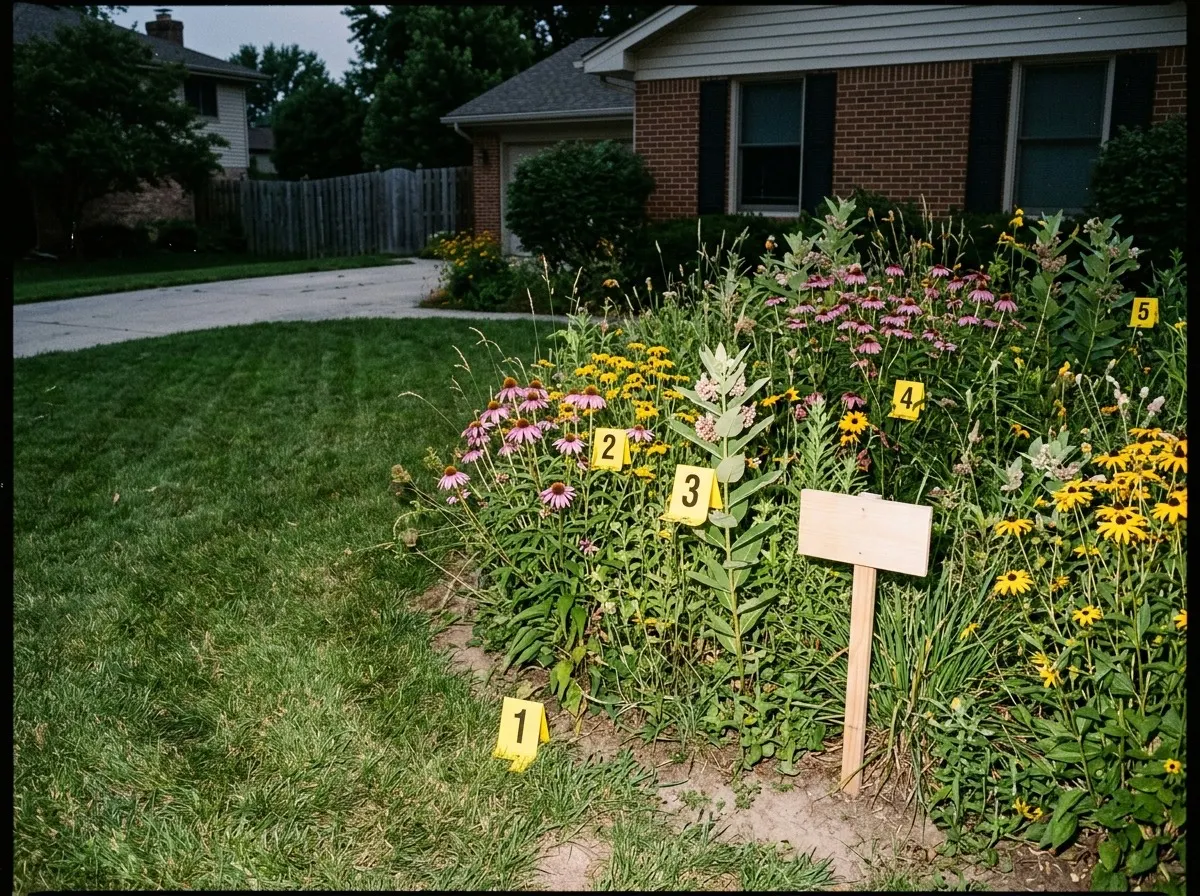
This is the biggest shift we tracked. After 20 years of perfect grass, a small number of dads quietly tear out part of the lawn and plant native flowers for bees and butterflies. They call it a pollinator garden. They say it is "better for the environment," which it is.
The Gay-I scores this higher than anything else in the yard, not because flowers mean anything, but because the change is so sudden. One week he is fertilizing. The next week he is telling you about milkweed. If he has also bought a fiddle-leaf fig for the living room, the plants are coordinating. For backyard readings, see our companion grill behavior analysis, which usually takes place right after the mowing.
What Your Dad's Lawn Actually Tells You
It tells you he likes being outside, he likes a project with a clear finish line, and he probably cares what the street thinks. It does not tell you anything about who he loves. Grass is not a sexuality, and neither are bees.
If you would still like a reading, upload a photo of him standing proudly next to the stripes, and the Gay-I will review the photo and the lawn together.
Frequently Asked Questions
Why is my dad so obsessed with the lawn?
For many dads, the lawn is a weekly project with a visible result and nobody arguing with them. It is also a way of showing care without having to say anything. Both of these are normal.
Is it gay if my dad mows stripes in the lawn?
No. Mowing stripes means he watched a video about mowing stripes. The Gay-I scores stripes as neutral unless they start following the flower beds.
What does it mean when my dad replaces the lawn with a pollinator garden?
It means he has learned about native plants and bees, and he probably wants to tell you about milkweed. It is a good thing for the environment and says nothing about his sexuality.
My dad and the neighbor share a fertilizer spreader. Is that weird?
No. That is called being a good neighbor. The Gay-I logged it as community and moved on.
Can lawn care tell you if someone is gay?
No. A lawn tells you how much time someone spends on their lawn. It cannot tell you who they are attracted to.
The joke is on stereotypes, not on anyone's dad. Nothing on this page can tell you anything about a real person's sexuality. If your dad has actually come out, start here instead.
Related Research
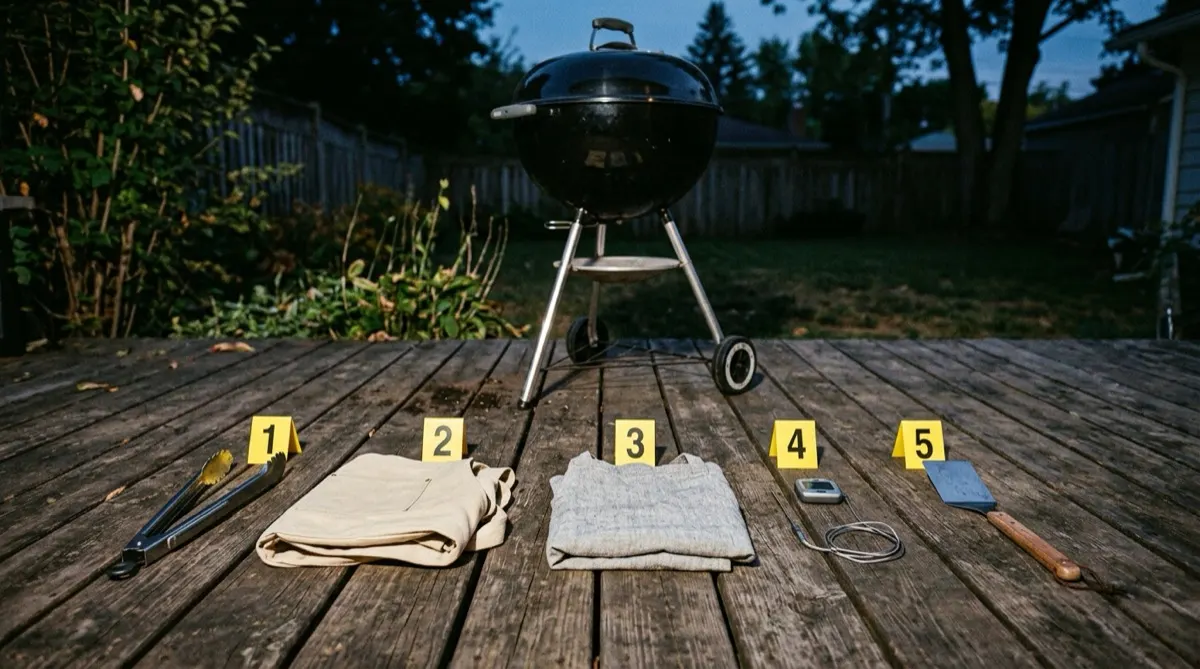
Grill Behavior Analysis: Tongs, Aprons, and Intent
Every dad grills. Some dads grill differently. We stood near a lot of grills for this one.
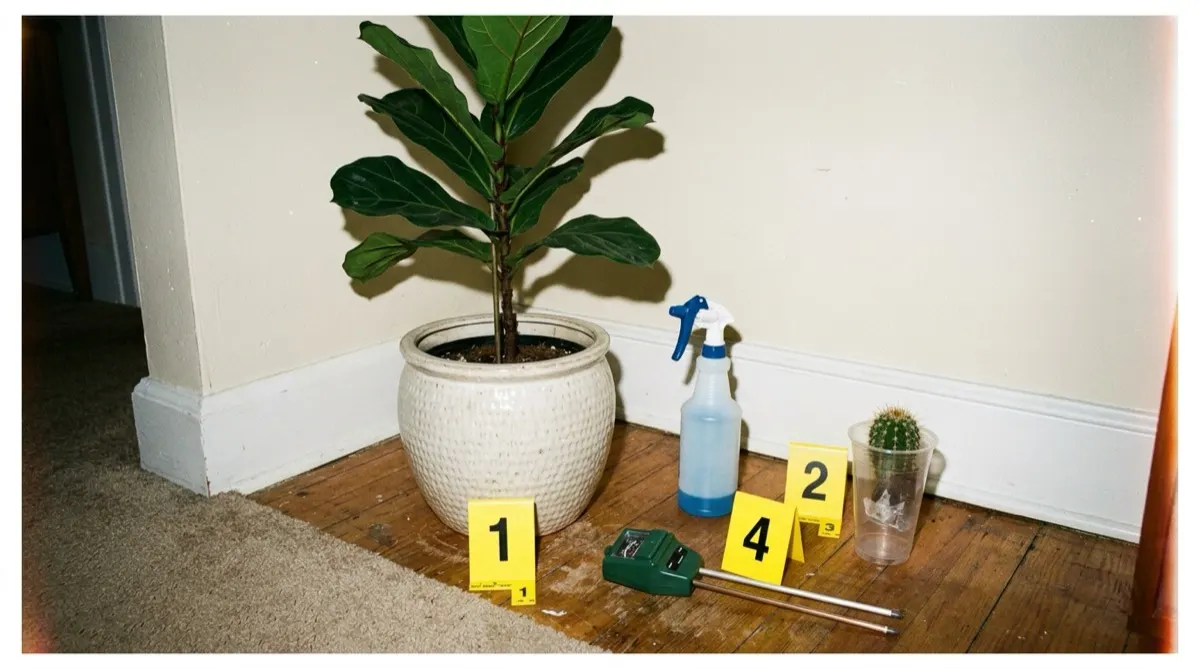
Is My Dad Gay If He Has Houseplants? The Fiddle-Leaf Fig Threshold
Most dads keep one plant alive by accident. Some dads keep a fiddle-leaf fig alive on purpose. We measured the gap.
Is My Dad Gay If He Goes on a Golf Trip With the Guys?
Every spring, Dad and seven other men leave for four days. They come back sunburned and very tired. We looked into what happens in between.